
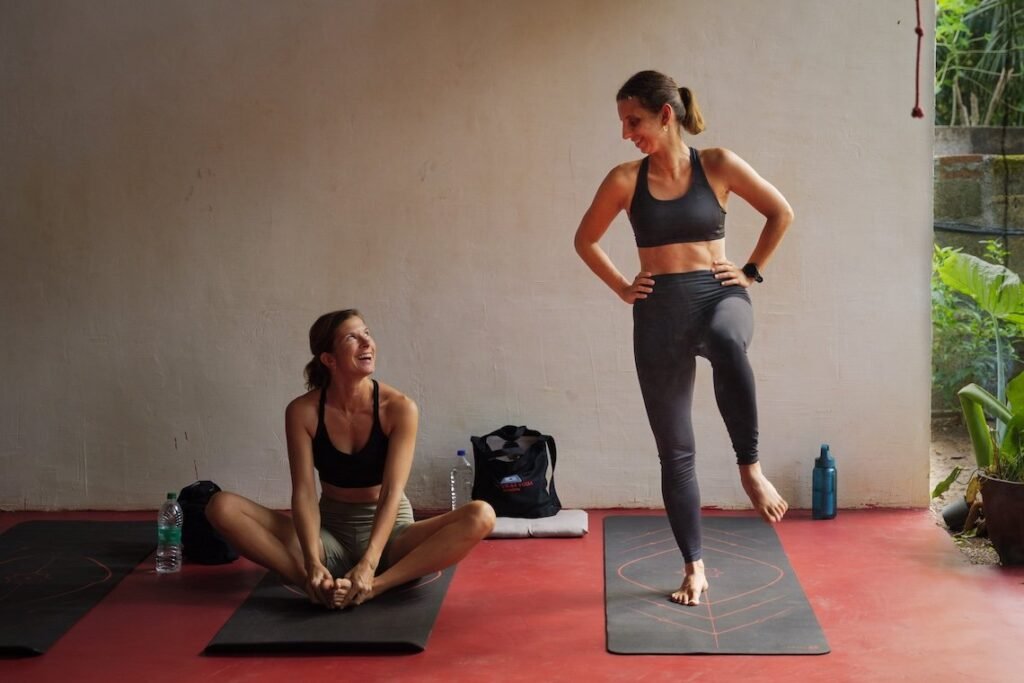
Many students believe Ashtanga requires long sessions and strict schedules. The traditional method does involve a full sequence that can take over an hour, but not everyone has that kind of time. A busy lifestyle does not mean the practice has to stop. With the right structure and mindset, you can build a meaningful Ashtanga routine that fits into 20 minutes and still brings strength, clarity and focus.
A short practice is better than skipping your mat altogether. In fact, a consistent 20 minute routine often brings better results than a long session once a week. Below is a simple guide that helps you create a balanced mini practice rooted in the Ashtanga tradition.
Why a Short Ashtanga Practice Works
A shorter routine may feel less formal, but it still captures the essence of the method. The goal is regularity. When you show up every day, your mind builds discipline and your body stays open.
Consistency Over Intensity
The Ashtanga method grows stronger through repetition. A 20 minute routine gives you enough time to breathe deeply, warm the body and move through essential postures. Over time, this short commitment helps you improve flexibility, build strength and develop focus.
Mindfulness in a Small Window
Even a short session brings mental grounding. You begin the day with calm breath and purposeful movement. This helps you carry awareness into your work, family life and daily interactions.
How to Structure a 20 Minute Ashtanga Routine
The goal is not to squeeze the entire primary series into 20 minutes. You only need a few foundational postures and a steady breath. Think of this as a compact version of the full sequence.
Here is a structure that works well for all levels.
1. Centering and Breath (2 minutes)
Sit comfortably at the top of your mat. Close your eyes and begin slow breathing. Use gentle ujjayi breath to settle your mind.
Set a Clear Intention
Take a moment to decide how you want to feel. Calm. Focused. Energized. Choosing an intention helps shift your mind from outside pressures to your practice.
2. Surya Namaskar A (3 rounds, 5 minutes)
Sun Salutation A is the heart of any short Ashtanga routine. With steady breath and smooth transitions, you can warm your body quickly.
Tips for Short Practice
• Keep your movements simple
• Match one breath to each movement
• Focus on stability rather than speed
This part builds heat, awakens the spine and prepares the body for deeper postures.
3. Surya Namaskar B (2 rounds, 3 minutes)
Sun Salutation B adds a little more strength through Utkatasana and Warrior I. These poses activate the legs and help build stamina.
Keep It Balanced
Do not rush through these rounds. Even when time is short, slow and steady breath helps you stay grounded.
4. Standing Poses (6 minutes)
Choose three or four essential standing postures from the Primary Series. These help improve alignment and body awareness.
Recommended Postures
- Padangusthasana
- Trikonasana
- Parsvakonasana
- Prasarita Padottanasana (pick one variation)
Hold each posture for five breaths. If you have very little time, choose two postures and hold them for a few breaths each.
Why Standing Poses Matter
Standing poses build the foundation of strength and stability. Even in a short routine, they help develop balance and improve mobility through the hips, hamstrings and spine.
5. Seated Poses (3 minutes)
You do not need the entire seated sequence. Choose one or two poses that help stretch the back and hips.
Simple Options
• Paschimottanasana for forward folding
• Janu Sirsasana for hip release
Hold each posture for five to eight slow breaths. Focus on relaxing your shoulders and lengthening your spine.
6. Backbending (1 minute)
A short Ashtanga routine still needs a gentle backbend. It helps counter the forward fold work and creates openness through the chest.
Easy Options
• Bridge pose
• Small upward facing dog hold
Choose one and stay for a few breaths. Keep your breath steady and avoid forcing the posture.
7. Finishing Sequence (2 minutes)
The finishing sequence does not need to be long. A short version still provides grounding and steadiness.
Suggested Mini Finishing Series
• Shoulder stand or legs up the wall
• A brief seated forward fold
• Gentle twist
This phase helps you calm the body before closing your practice.
8. Final Resting Pose (2 minutes)
Spend the final minutes in Savasana. Even in a short session, this moment is important. The body absorbs the benefits of the practice and the mind settles.
Relax Fully
Allow your eyes to soften, your breath to slow and your body to sink into the mat. Two minutes of deep rest can reset the nervous system and help you start the day with calmness.
Helpful Tips for Maintaining a Daily 20 Minute Routine
Creating a short routine is one part of the journey. The other part is sticking with it. Here are some simple tips to stay consistent.
Practice at the Same Time Daily
Choose a fixed time that works for you. Morning is ideal because the mind is clear and the body is naturally prepared for movement. A consistent schedule helps build discipline.
Keep Your Space Ready
Set up your mat where it is easy to reach. When the space is ready, you skip the small barriers that often stop people from practicing.
Avoid Perfection Pressure
Not every session needs to feel strong or flexible. Some days you may feel tired. Other days you may feel energized. The key is showing up.
Use Breath as Your Guide
A short practice becomes more meaningful when breath leads your movement. If your breath becomes strained, slow down. This helps you stay mindful and prevents injury.
Let Your Routine Evolve
Over time, your 20 minute practice may grow naturally. You might add extra poses or hold postures longer. Let the routine evolve without forcing progress.
Conclusion
A daily Ashtanga routine does not require a long session. With a clear structure and a mindful approach, 20 minutes is enough to build strength, increase mobility and calm the mind. The main focus is consistency. Even a short practice helps you stay rooted in discipline and self care.
When you commit to this small window each day, your practice becomes a steady companion. Over time, you will notice positive changes in your body, your breath and your overall outlook. A short routine can bring deep benefits, as long as you step on your mat with sincerity and presence.