
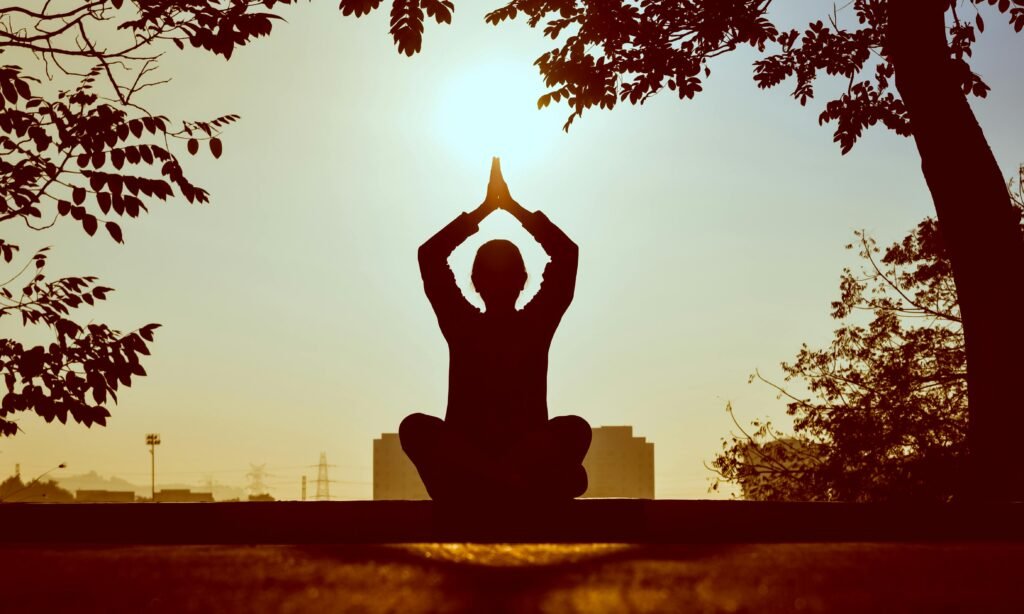
Many people assume that Jesus and yoga belong to completely different worlds. One is rooted in Christian teachings and the other comes from ancient India. If you look closely though, you begin to see interesting similarities in the values they promote. This is not about merging religions or replacing one belief system with another. It is simply a chance to understand how two powerful traditions speak to a common human desire for peace, compassion and inner transformation.
Below is a deeper look at these connections and how they can help modern practitioners find meaning in their personal journey.
Stillness and Inner Reflection
Stillness is one of the most striking parallels between the teachings of Jesus and the practice of yoga. Both encourage stepping away from daily noise to reconnect with what truly matters.
Jesus and the Practice of Solitude
Throughout the Gospels, Jesus often withdrew to mountains, gardens or quiet fields to pray. These were not casual breaks. Each moment of solitude helped him listen more clearly and strengthen his connection with God. His approach shows how intentional silence can become a powerful part of spiritual life.
Yoga and Mindful Quiet
Yoga uses breathwork, meditation and gentle focus to guide practitioners toward a calmer mind. This quiet space allows the individual to observe thoughts without judgment and notice their inner state with clarity. The goal is not escape. It is awareness.
Both Jesus’s prayerful solitude and yoga’s mindful stillness show how quiet moments can guide a person toward stronger faith and mental peace.
Compassion as a Shared Principle
Compassion forms a foundation in both Christianity and yoga. This connection is one of the clearest and most meaningful links between the two.
Compassion in the Teachings of Jesus
Jesus welcomed the poor, healed the sick and comforted people who felt abandoned. His message centered on kindness and love. The instruction to love your neighbor challenges believers to act with empathy even when it feels difficult.
Ahimsa in Yogic Philosophy
In yoga, compassion appears through the principle of ahimsa, which means nonviolence. This principle covers more than physical actions. It encourages gentle thoughts, patience and understanding. When students practice yoga, they learn to move in a way that respects their body. Outside the studio, the same idea becomes a reminder to treat others with care.
Both perspectives show how compassion can shape a person’s mindset, relationships and daily decisions.
Breath as a Symbol of Life
Breath holds deep meaning in both traditions. It represents life, awareness and connection.
Breath in Christian Symbolism
In Christian texts, breath is often linked to creation and renewal. The story of creation describes God breathing life into humanity. Breath appears again when Jesus comforts his disciples and speaks of peace. These moments highlight breath as something sacred and life giving.
Breathwork in Yoga
Yoga treats breath as the bridge between body and mind. Techniques like ujjayi and alternate nostril breathing help regulate emotions, improve focus and steady the nervous system. Through breath, practitioners learn to respond to challenges with calmness instead of tension.
Although the interpretations differ, both traditions recognize breath as a powerful element of inner transformation.
Selfless Service and Karma Yoga
Service is another point where Jesus’s teachings and yogic philosophy align in meaningful ways.
Service in Christian Life
Jesus served others with humility and encouraged his followers to do the same. Acts of service were not performed for recognition. They were expressions of love and compassion. Serving others became a path toward spiritual maturity.
Service in Yogic Tradition
Yoga also includes a path called Karma Yoga. It focuses on performing actions with sincerity and without expecting personal reward. This approach helps practitioners develop humility and reduce ego driven behavior.
When viewed side by side, both traditions highlight a simple truth. Helping others strengthens the individual as much as it supports the community.
Inner Transformation and Personal Growth
Inner transformation is central to both the life of Jesus and the philosophy behind yoga.
Transformation in Christian Teaching
Christianity places strong emphasis on renewing the heart. This renewal comes from faith, forgiveness and a desire to live according to divine guidance. It is an ongoing process that encourages believers to grow through reflection, prayer and positive action.
Transformation Through Yoga
Yoga cultivates change through meditation, mindful movement and disciplined practice. Over time, students notice improvements in focus, emotional balance and self awareness. While the methods differ, the core message is similar. Inner transformation requires intention, patience and commitment.
Ethical Living and Personal Discipline
Both traditions also promote living with integrity. This shared focus can guide modern practitioners toward healthier habits.
Christian Principles for Ethical Living
Teachings from Jesus emphasize honesty, humility, forgiveness and fairness. These values shape how individuals interact with others and how they make decisions.
Yogic Yamas and Niyamas
Yoga outlines ethical guidelines known as the yamas and niyamas. These include truthfulness, contentment, discipline and self study. They help practitioners move through life with awareness and responsibility.
Together, these principles offer a strong foundation for balanced and meaningful living.
A Common Search for Peace
Although Jesus and yoga come from different cultural backgrounds, both encourage people to seek inner peace. This peace arises not from controlling external events but from shaping one’s response to them.
Peace in Christian Perspective
Jesus often spoke of peace as a gift available to anyone who opens their heart to faith. It is a type of peace that exists even during difficult moments.
Peace Through Yogic Practice
Yoga promotes peace through breath, movement and meditation. As practitioners learn to observe thoughts without reacting impulsively, mental tension begins to soften.
Many modern seekers notice that both traditions help them handle stress with greater stability and kindness.
Conclusion
Exploring the connection between Jesus and yoga does not require blending belief systems. It simply creates space to appreciate how different traditions can echo similar values. Both emphasize stillness, compassion, breath, service, transformation and peaceful living. For people who practice yoga while also following Christian teachings, these parallels often provide reassurance that their spiritual interests can complement each other.
At the heart of both paths lies a desire to live with clarity, kindness and purpose. Whether someone finds that through the teachings of Jesus, through dedicated yoga practice or through a combination of both, the result is a life guided by intention and compassion.