
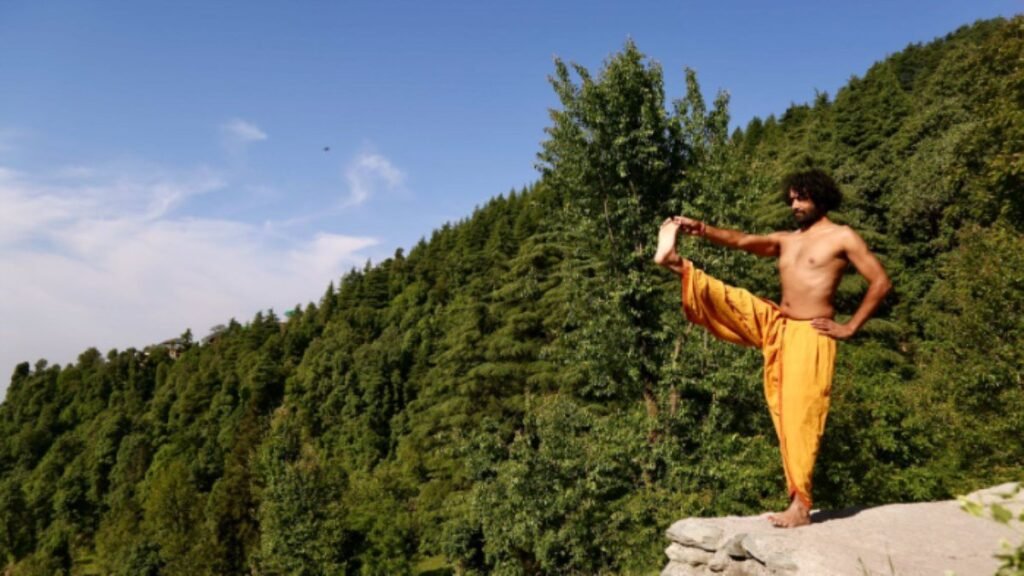
Ashtanga Yoga is a structured practice where movement is linked with breath in a fixed sequence. Traditionally, sessions can last up to 90 minutes, but this routine simplifies it for daily consistency. See the full Ashtanga series here.
Getting started with Ashtanga Yoga can feel overwhelming. The sequence is long, the pace can be intense, and the discipline is demanding. But at its core, Ashtanga becomes much more approachable when you take it one step at a time.
You don’t need to master everything from the beginning. What truly matters is building a consistent, manageable daily practice that works for you.
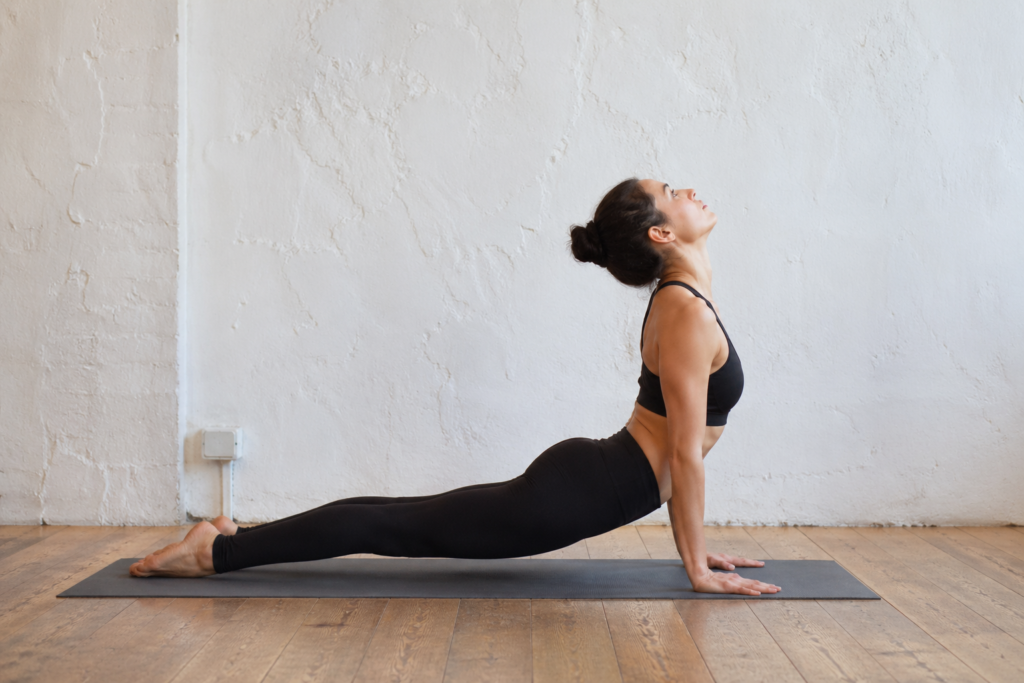
Start small, not perfect
One of the most common mistakes beginners make is trying to learn the entire sequence in their very first session. It’s overwhelming—and rarely sustainable.
Instead, keep it simple:
- Begin with a 20–30 minute practice
- Prioritize consistency over intensity
- Create a routine you can repeat daily without resistance
A shorter practice done regularly will build far more strength, focus, and progress than the occasional long session.
Familiarize Yourself with the Ashtanga Structure
Ashtanga Yoga follows a fixed sequence, ensuring a strong foundation. A beginner-friendly structure includes:
- Opening (centering + breath)
- Surya Namaskar (A & B)
- Standing postures
- (Short seated sequence)
- Closing + rest
You do not need to dive straight into the Primary Series. Instead, gradually build toward it.
The 20-Minute Ashtanga Routine (simple version)
This simplified routine is designed to help you build consistency without feeling overwhelmed. Move with your breath, stay focused, and keep the practice steady rather than perfect.
1. Centering (2 minutes)
Sit in a comfortable cross-legged position.
- Close your eyes
- Breathe slowly through the nose
- Arrive mentally in your practice
- Relax your face, shoulders, and jaw
2. Surya Namaskar A (5 minutes – 3 rounds)
Move through three steady rounds, linking breath and movement.
- Move slowly and match your breath to your movements
- Bend your knees slightly if needed
- Keep transitions controlled
Click here for the explanation of Surya Namaskar (Insert Link)
3. Surya Namaskar B (3 minutes – 2 rounds)
Move through two steady rounds, linking breath and movement.
- Move with control and stay grounded through your feet
- Keep your breath steady, even as the intensity increases
- Step into Warrior I with stability, not speed
Click here for the explanation of Surya Namaskar B (Insert Link)
4. Standing Sequence (6 minutes)
Move through the following poses on both sides, holding each for 3–5 breaths.
- Trikonasana (Triangle Pose)
- Parsvakonasana (Side Angle Pose)
- Keep both feet grounded and stable
- Lengthen through the spine before deepening
- Keep your gaze steady
5. Seated Sequence (3 minutes)
Move into the seated postures and hold each side for a few breaths.
- Paschimottanasana (Seated Forward Fold)
- Janu Sirsasana (Head-to-Knee Pose)
- Inhale to lengthen, exhale to fold
- Keep the shoulders relaxed
- Avoid pulling yourself deeper into the stretch
6. Backbend (1 minute)
Hold the posture steadily and with control.
- Setu Bandhasana (Bridge Pose)
- Press evenly into your feet
- Lift through the chest, not just the hips
- Keep the breath steady
7. Finishing (2 minutes)
Allow the body to slow down and reset.
- Viparita Karani (Legs Up the Wall)
- Let your breath naturally slow
- Release any remaining tension
8. Savasana (2 minutes)
Rest completely and allow the practice to integrate.
- Let go of all effort
- Keep the body still
- Allow the breath to return to normal
Build Consistency, Not Perfection
Practice regularly—even 20 minutes is enough. A short daily routine is more effective than occasional long sessions.
- Set a fixed time if possible
- If you miss a day, simply begin again
- Let your breath guide the movement
Avoid doing too much too soon. Stay patient, don’t compare, and keep your practice simple.
Create a quiet, distraction-free space and focus on showing up—consistency is what builds progress over time.
Your breath will be the anchor
In Ashtanga, the breath leads the practice.
Breath can be lost in the practice and this can be seen in many ways.
Remember:
- Everything our breath, inha le to expand
- Exale to ground.
Do not rush to keep up with the movement.
Avoid the common beginner mistakes
Practice shall fail, and many beginners struggle not because of the difficulty, but because of the approach.
Look out for:
- Full sequences too early
- Ignoring breath
- Comparing yourself to others
- Not resting
- Practicing infrequently
Progress shall come with patience, not forcing.
When to progress
You’ll know you are ready to add more when you have more control of your breath, movement and more. When your body also recovers well, you can add the standing and seated postures.
There’s no rush. Ashtanga is a long-term practice.
Create the right environment
The space you create for your practice, more than you think, really matters.
You can train anywhere if it is:
- Quiet
- Clean
- Free from distractions
Discipline over motivation
Motivtion changes day by day. Discipline does not.
Some days will feel heavy. Practice anyway.
Some days will feel great. Stay steady.
It is not about feeling perfect.
It is about showing up.
A simple weekly structure
If daily practice feels difficult, start here:
- 3–4 days per week → short routine
Aim to gradually move to 5–6 days
Even experienced practitioners take one rest day per week.
Final reflection
Ashtanga Yoga is not about doing more. It’s about doing the same things with deeper awareness.
A beginner routine should feel:
- Sustainable
- Grounded
- Repeatable
The sequence will open up if you keep showing up.
Not because you forced it.
But because you stayed with it.